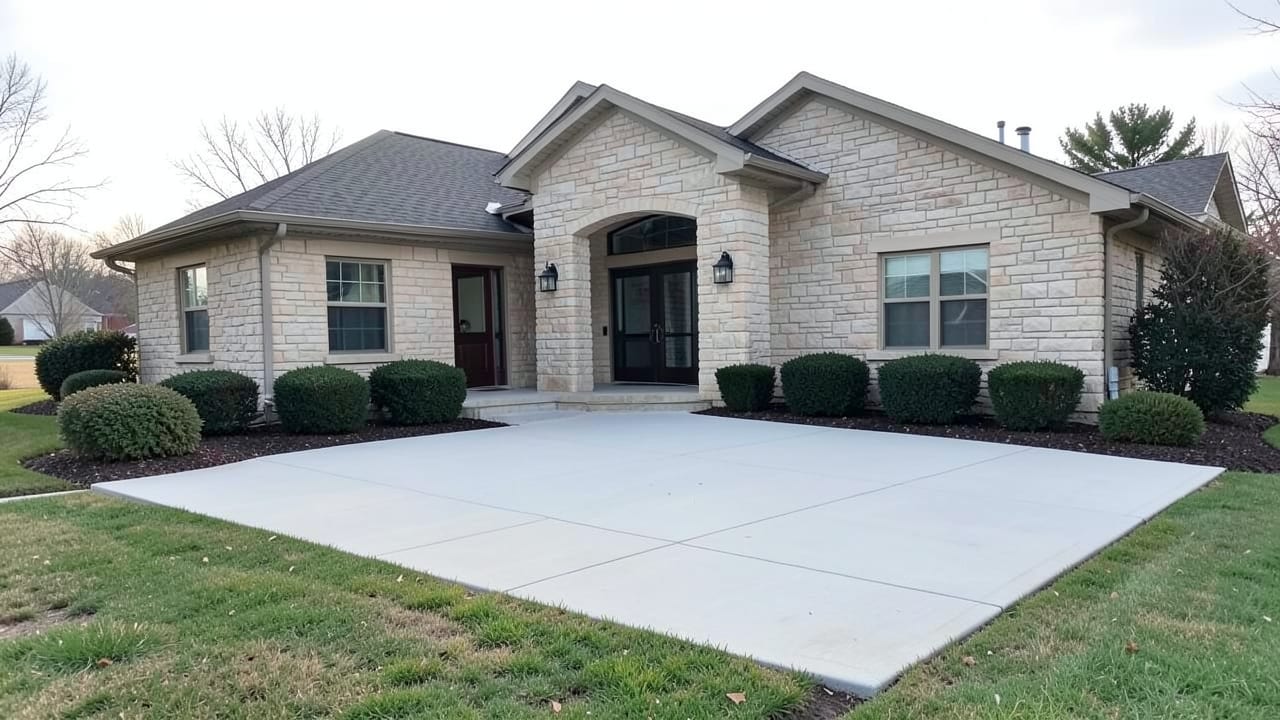
HOA Common Area Washing
Pressure washing HOA common areas like sidewalks, playgrounds, and entryways to remove dirt and grime.
HOA common area washing in Brandon, FL, keeps shared spaces like walkways, benches, and signage clean and inviting for all residents. This service targets built-up dirt, algae, and stains that accumulate over time, using pressure washing techniques tailored to preserve surfaces and landscaping.
Proper care ensures a well-maintained community appearance without damaging plants, siding, or fixtures.
We also handle Driveway & Concrete Cleaning and Roof Washing (Soft Wash) for Brandon properties.
When to know your HOA common areas need washing
HOA common areas often show gradual dirt buildup that’s easy to overlook until it becomes noticeable. Look for green or black streaking on north-facing or shaded siding—this is algae or mildew, not just dirt.
It spreads steadily if ignored, making early treatment more effective. Cobwebs, insect debris, and dirt collecting in corners, under eaves, or around light fixtures are also early signs that cleaning is needed.
Another clue is comparing a covered patch of siding (like where a house number or planter was removed) to the exposed surface around it. If the covered area looks cleaner, it confirms how much the rest of the siding has faded or dirtied.
Running a hand across the surface and feeling a fine chalky residue is another indicator of oxidation or grime buildup, often easier to detect than to see from a distance.
Signs Your HOA Common Areas Need Cleaning
- Green or black streaking on shaded siding (algae or mildew)
- Cobwebs, insect debris, or dirt in corners and under eaves
- Chalky residue when running a hand across siding (oxidation or grime)
- Visible difference between covered and exposed siding patches
- Fading or dull appearance on walkways, benches, or signage
How cleaning methods protect your HOA’s surfaces
Pressure washing HOA common areas requires careful technique to avoid damaging surfaces or landscaping. Before any nozzle is turned on, landscaping near foundations is wetted down and covered, and exterior outlets or fixtures are bagged to prevent cleaning solution runoff or overspray from causing complaints.
This step is critical because runoff is a more common issue than the wash itself.
A detergent pre-treatment is applied at low pressure to break down algae and mildew chemically. Each siding material—vinyl, wood, stucco, or fiber cement—requires a different cleaning solution. After dwelling, the siding is rinsed at low pressure (under 500 psi) with a wide-fan tip, working top to bottom in overlapping passes.
Inconsistent pass speed can leave uneven streaking, especially on light-colored vinyl.
| Material | Pressure Limit (PSI) | Key Risk of Damage |
|---|---|---|
| Vinyl Siding | Under 1,200 | Split seams or stripped factory finish |
| Wood Siding | Under 800 | Cracking or splintering |
| Stucco | Under 1,500 | Cracking or mortar loosening |
| Fiber Cement | Under 1,000 | Surface finish stripping |
Factors that affect cleaning effectiveness and timing
The speed at which siding or common areas get dirty again depends on moisture exposure. Vegetation touching or growing close to siding keeps that section shaded and damp, accelerating algae regrowth. Trimming back plants to create a gap against the wall can slow this process.
Similarly, a sprinkler head aimed at siding instead of the lawn keeps one section wet daily, making it a hotspot for dirt buildup.
Clogged gutters that overflow send water and roof grime straight down the siding below, requiring more frequent cleaning. Permanently shaded or north-facing sections will always need attention sooner than sun-exposed areas, as this is a function of sun exposure, not the cleaning method.
Keeping gutters clear and trimming vegetation are simple but effective ways to extend the time between cleanings.
How HOA common area washing works
This process ensures shared spaces are cleaned safely and effectively without damaging surfaces or landscaping.
- 1Surface and Plant Protection
Landscaping near foundations is wetted down and covered, and exterior outlets or fixtures are bagged to prevent runoff or overspray damage. This step is critical to avoid complaints from residents.
- 2Detergent Pre-Treatment
A cleaning solution tailored to the material—vinyl, wood, stucco, or fiber cement—is applied at low pressure and left to dwell. This chemically breaks down algae and mildew before rinsing.
- 3Soft-Wash Rinse
The siding is rinsed at low pressure (under 500 psi) using a wide-fan tip, working top to bottom in overlapping passes. Inconsistent speed can cause streaking, so a steady pace is maintained.
- 4Spot Treatment and Final Rinse
Heavily stained areas get a second, concentrated pass. A clear-water final rinse removes all detergent residue, and the area is inspected in daylight for missed spots or damage.
Frequently asked questions
How do I know if my HOA common areas need pressure washing?
Look for green or black streaking on shaded siding, cobwebs in corners, or a chalky residue when touching surfaces. Comparing covered and exposed siding patches can also reveal dirt buildup that’s not immediately visible.
Will pressure washing damage my HOA’s plants or landscaping?
No, if done correctly. Landscaping is wetted down and covered, and exterior fixtures are protected before any cleaning solution is applied. Runoff is prevented to avoid harming plants or pets nearby.
How often should HOA common areas be pressure washed?
This depends on moisture exposure, vegetation, and sun exposure. Areas with heavy shade, touching plants, or daily sprinkler spray may need cleaning every 12–18 months, while sun-exposed areas can go 2–3 years between washes.
Can pressure washing reveal hidden damage in my HOA’s common areas?
Yes, removing dirt can expose pre-existing issues like cracked paint, loose mortar, or lifting siding panels. A thorough inspection after washing helps identify these problems early.
Where Brandon sits, and what the Census lists nearby
Brandon sits in Florida, and the closest places listed in the U.S. Census Gazetteer are Mango (3.9 miles north), Valrico (4.3 miles east), Bloomingdale (4.7 miles southeast), Seffner (4.8 miles north). Within 25 miles of Brandon the same source lists 54 distinct incorporated places and census-designated places.
Those figures matter for hoa common area washing because they are straight-line distances between Census coordinate points: road mileage between Brandon and Mango runs longer than the 3.9 miles shown, which is why quotes for the same job differ between towns that look close together on a map.
Source: U.S. Census Bureau Gazetteer.
See Mango, FL for more, or see everything Brandon homeowners can book with us in full for our complete lineup.
Ready to get started?
Talk to a local pressure washing pro in Brandon — get a written quote.
Other Pressure Washing Services in Brandon
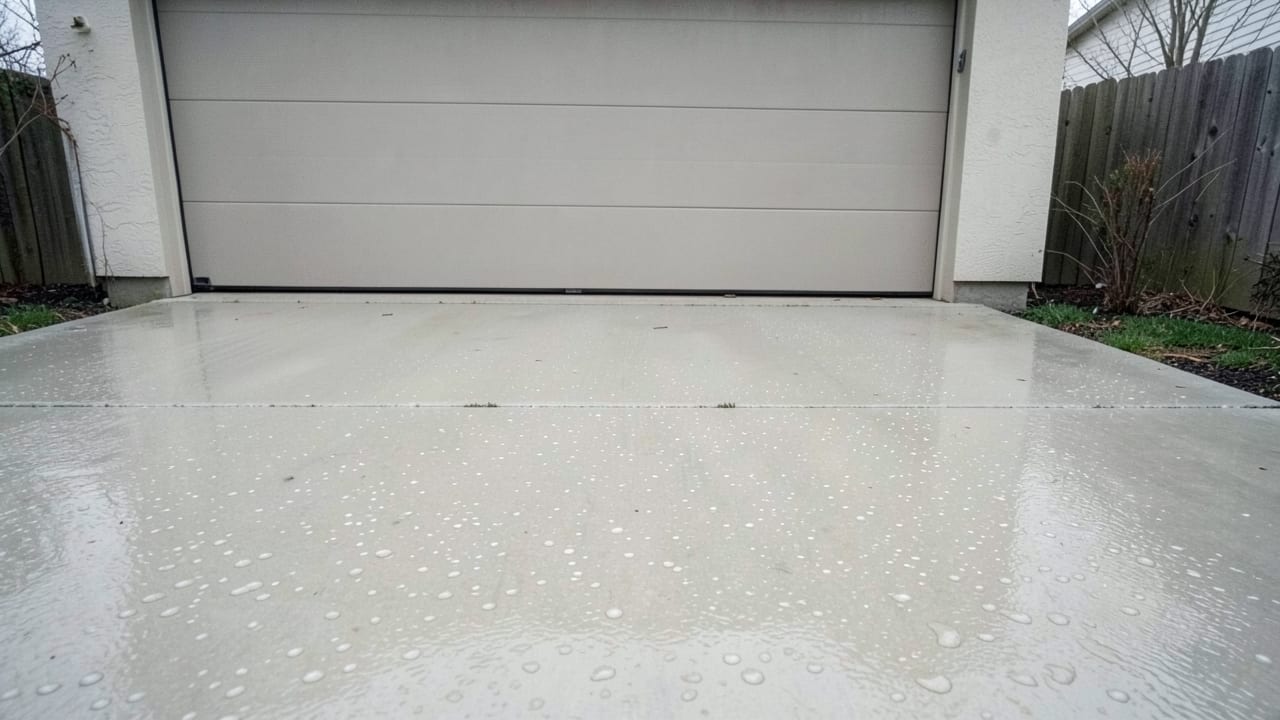
Driveway & Concrete Cleaning in Brandon, FL
Pressure washing for driveways, walkways, and patios in Brandon, FL — lifts oil stains, tire marks, and algae and mildew from concrete.
Learn More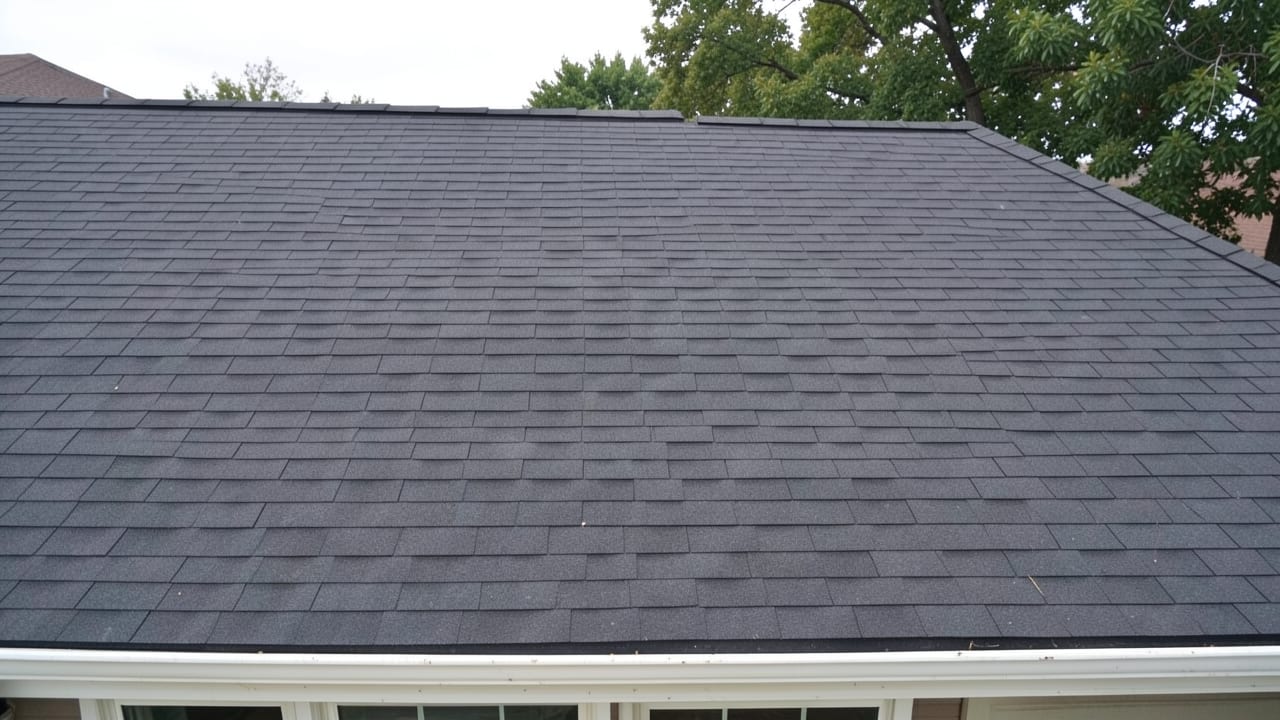
Roof Washing (Soft Wash) in Brandon, FL
Low-pressure soft-wash roof cleaning in Brandon, FL removes algae streaks without damaging shingles.
Learn More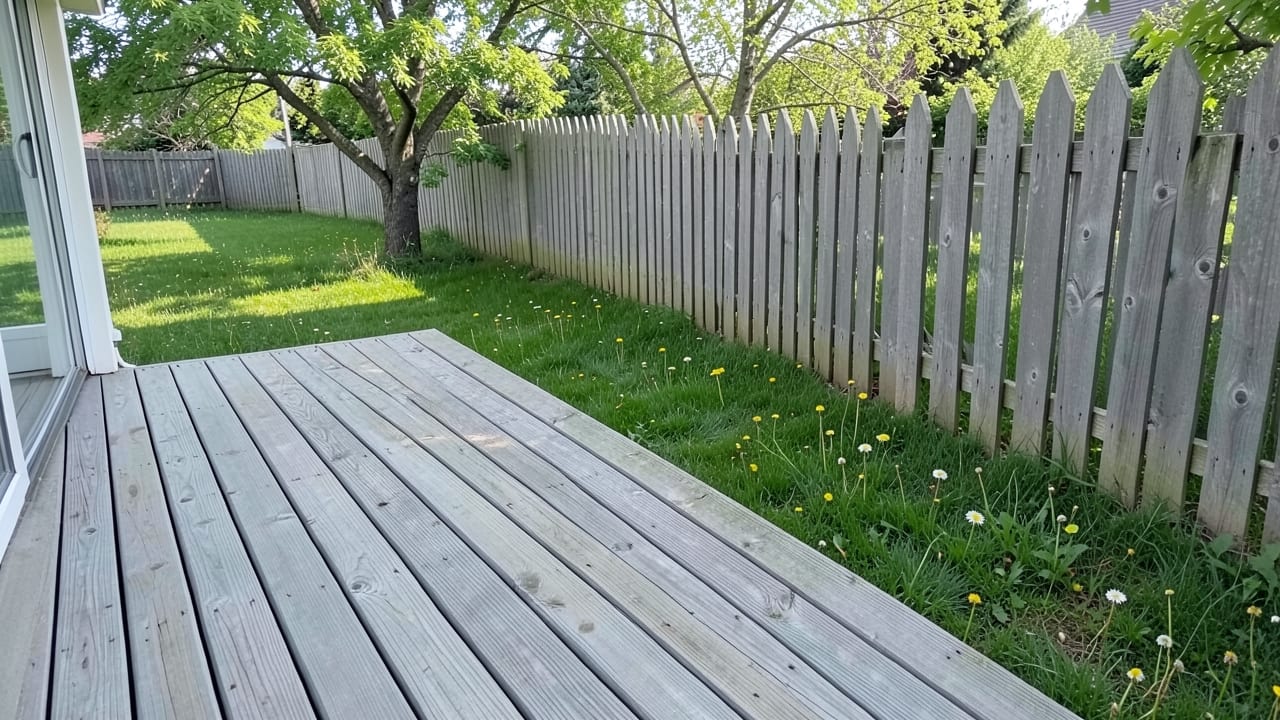
Deck & Fence Cleaning in Brandon, FL
Wood and composite deck and fence cleaning in Brandon, FL — restores surfaces before staining or sealing.
Learn More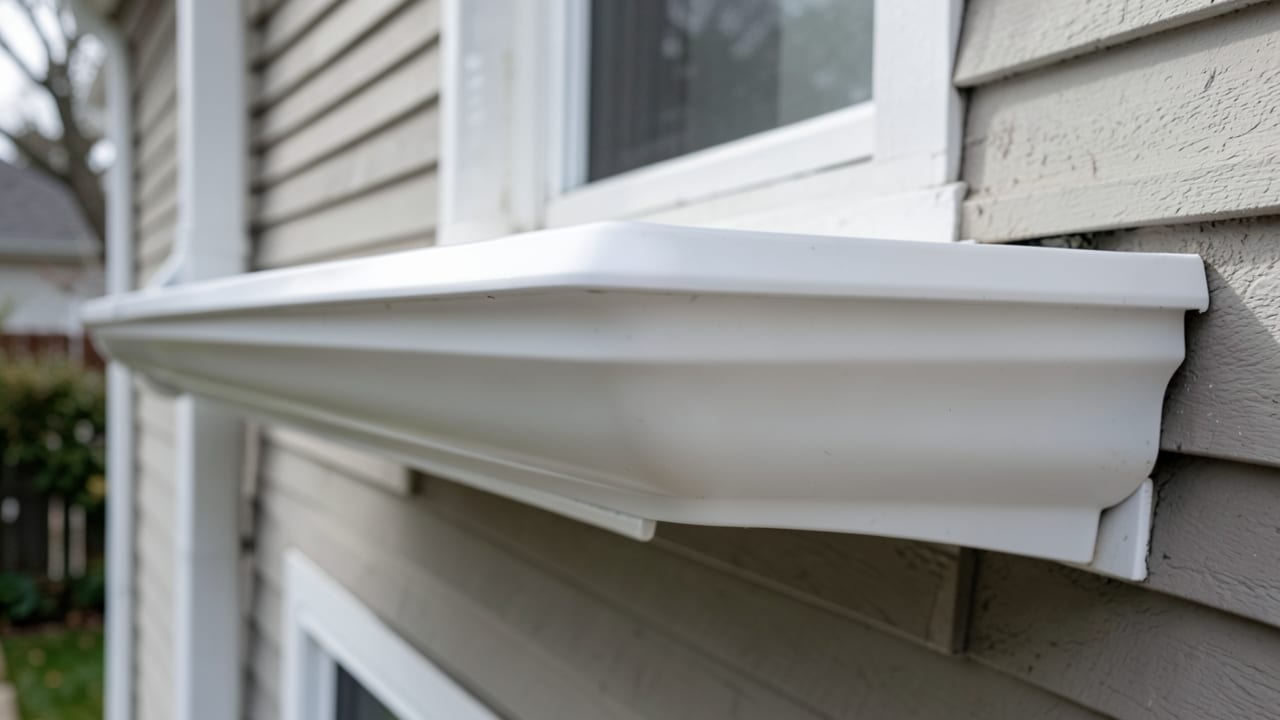
Gutter Cleaning in Brandon, FL
Gutter and downspout cleaning in Brandon, FL to clear leaf buildup and keep water flowing away from the foundation.
Learn More
Window Cleaning in Brandon, FL
Exterior window and window-frame cleaning in Brandon, FL, often bundled with a full house wash.
Learn More
Commercial Pressure Washing in Brandon, FL
Pressure washing for storefronts, parking lots, and commercial properties in Brandon, FL.
Learn MoreCommon Questions About Pressure Washing in Brandon
Everything you need to know about pressure washing services in Brandon
How much does HOA Common Area Washing typically cost in Brandon, FL?
Why does algae and mildew growth on homes in Brandon, FL come back so quickly?
Can pressure washing damage concrete, pavers, or mortar joints?
What are the actual named steps in a professional pressure washing job?
Can the wrong PSI actually damage a house or driveway?
What's the actual difference between pressure washing and soft washing?
Need Pressure Washing in Brandon?
Get a written quote from our Brandon crew.
⏰ We answer your call • Serving all of Brandon and surrounding areas