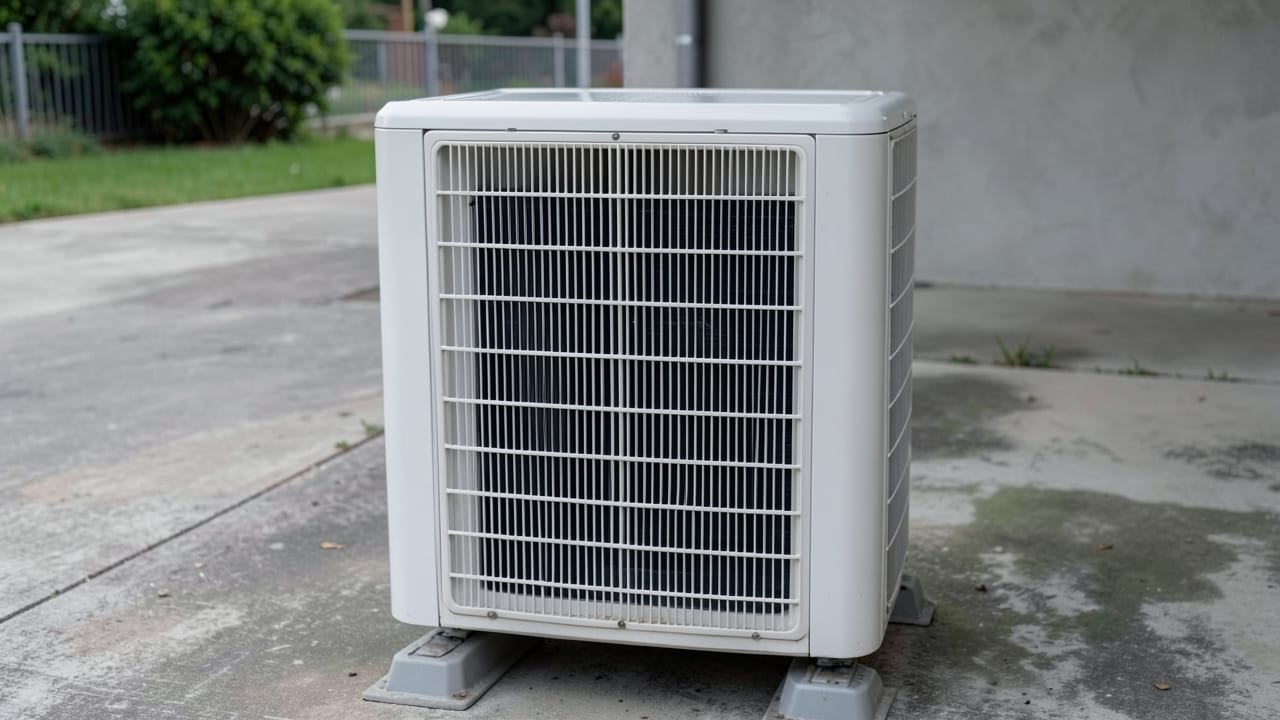
AC Unit Exterior Cleaning
Pressure washing to remove dirt, debris, and grime from outdoor AC unit coils and housing.
AC unit exterior cleaning in Brandon, FL, removes built-up dirt, pollen, and debris from condenser coils and housing using pressure washing. This process improves airflow, enhances efficiency, and extends the lifespan of your system. Proper techniques protect landscaping and prevent damage to siding or fixtures nearby.
When is AC unit exterior cleaning needed?
Your AC unit’s exterior may need cleaning if you notice green or black streaks on the siding near it—these are signs of algae or mildew. These stains often appear on the least sun-exposed side of the house and spread over time.
We also handle Pool Deck Cleaning and Rust Removal for Brandon properties.
Running your hand over the surface and feeling a fine, chalky residue is another indicator of accumulated grime or oxidation.
Check for cobwebs, dirt, and insect debris collecting around the unit, under eaves, or near light fixtures. These are early signs of buildup.
Additionally, if your AC unit is running less efficiently or taking longer to cool your home, the condenser coils may be clogged with debris, reducing airflow and performance.
Signs Your AC Unit Needs Exterior Cleaning
- Green or black streaks on siding near the AC unit (algae or mildew).
- Fine, chalky residue when running your hand over the surface (oxidation or grime buildup).
- Cobwebs, dirt, or insect debris around the unit, under eaves, or near fixtures.
- AC unit running less efficiently or taking longer to cool your home.
- Visible dirt or debris on the condenser coils or housing.
How cleaning affects your AC’s performance
A clean AC unit operates more efficiently by allowing proper airflow through the condenser coils. Dirt and debris buildup can restrict airflow, forcing the system to work harder and increasing energy costs. Regular cleaning helps maintain optimal performance and extends the lifespan of your unit.
Cleaning also prevents potential damage caused by mold or mildew growth on the coils or housing. These organisms can corrode metal parts over time, leading to costly repairs. By keeping the exterior clean, you reduce the risk of long-term damage and ensure your AC runs smoothly.
What to expect during the cleaning process
Before the cleaning begins, landscaping near the foundation is protected by wetting down and covering plants, and any exterior outlets or fixtures are bagged. This prevents cleaning solution runoff or overspray from damaging nearby surfaces.
The process uses a detergent pre-treatment tailored to your siding material—vinyl, wood, stucco, or fiber cement—applied at low pressure to break down algae and mildew chemically.
The siding is then rinsed with low-pressure water (under 500 PSI) using a wide-fan tip, working top to bottom in overlapping passes. Stubborn stains receive a second, concentrated pass rather than higher pressure, which can force water behind siding seams and cause damage.
A final rinse ensures no detergent residue remains, and the work is inspected for missed spots or damage.
| Material | Recommended Pressure (PSI) | Key Consideration |
|---|---|---|
| Vinyl Siding | < 1,500 | Avoid seams; higher pressure can split seams or crack panels. |
| Wood Siding | < 1,200 | Requires gentle handling to prevent splintering or warping. |
| Stucco | < 1,000 | Low pressure prevents cracking or stripping the finish. |
| Fiber Cement | < 1,800 | Higher tolerance but still requires careful application. |
| Concrete/Driveway | 2,000-4,000 | Higher pressure needed but avoid blasting siding or landscaping. |
How AC unit exterior cleaning works
Cleaning your AC unit’s exterior involves careful preparation, chemical treatment, and low-pressure rinsing to protect surfaces while removing dirt and debris.
- 1Protect Surrounding Areas
Landscaping near the foundation is wetted down and covered, and any exterior outlets or fixtures are bagged. This prevents cleaning solution runoff or overspray from damaging plants, siding, or electrical components.
- 2Apply Detergent Pre-Treatment
A cleaning solution formulated for your siding material (vinyl, wood, stucco, or fiber cement) is sprayed at low pressure and left to dwell. This chemically breaks down algae, mildew, and grime without relying on high-pressure blasting.
- 3Rinse with Low-Pressure Water
The siding is rinsed using water pressure under 500 PSI through a wide-fan tip. The wand is moved consistently top to bottom in overlapping passes to avoid uneven streaking or missing spots.
- 4Spot-Treat Stubborn Stains
Areas with heavy algae or mildew receive a second, more concentrated pass. Higher pressure is avoided to prevent forcing water behind siding seams, which can cause mold or rot inside walls.
- 5Final Rinse and Inspection
A clear-water rinse removes all detergent residue, and the work is inspected in daylight for missed spots or damage. Any lifting panels or pre-existing issues are noted for separate attention.
Frequently asked questions
How often should I clean the exterior of my AC unit?
AC units in Brandon’s climate benefit from exterior cleaning every 1-2 years, or more often if you have heavy foliage, frequent storms, or notice reduced efficiency. Regular inspections for algae, mildew, or debris buildup can help determine the ideal frequency.
Will pressure washing damage my siding or landscaping?
When done correctly, low-pressure washing (under 500 PSI for siding) and proper protection of landscaping prevent damage. Higher pressure or improper technique can crack stucco, split vinyl seams, or harm plants, which is why pre-treatment and careful application are essential.
Can I clean my AC unit myself, or should I hire a professional?
While DIY cleaning is possible, professionals use specialized detergents, low-pressure techniques, and protective measures to avoid damage. Hiring a pro ensures proper chemical application, consistent rinsing, and inspection for hidden issues like mold or rot behind siding.
What should I do if my AC unit’s exterior cleaning reveals damage to the siding or coils?
If pre-existing damage (like cracked paint, loose mortar, or corroded coils) is discovered during cleaning, document it with photos and discuss repairs with the service provider. Some quotes include handling such issues, while others may require separate pricing—always clarify this upfront.
Where Brandon sits, and what the Census lists nearby
Brandon sits in Florida, and the closest places listed in the U.S. Census Gazetteer are Mango (3.9 miles north), Valrico (4.3 miles east), Bloomingdale (4.7 miles southeast), Seffner (4.8 miles north). Within 25 miles of Brandon the same source lists 54 distinct incorporated places and census-designated places.
Those figures matter for ac unit exterior cleaning because they are straight-line distances between Census coordinate points: road mileage between Brandon and Mango runs longer than the 3.9 miles shown, which is why quotes for the same job differ between towns that look close together on a map.
Source: U.S. Census Bureau Gazetteer.
See Apollo Beach, FL for more, or our full range of pressure washing services for our complete lineup.
Ready to get started?
Talk to a local pressure washing pro in Brandon — get a written quote.
Other Pressure Washing Services in Brandon
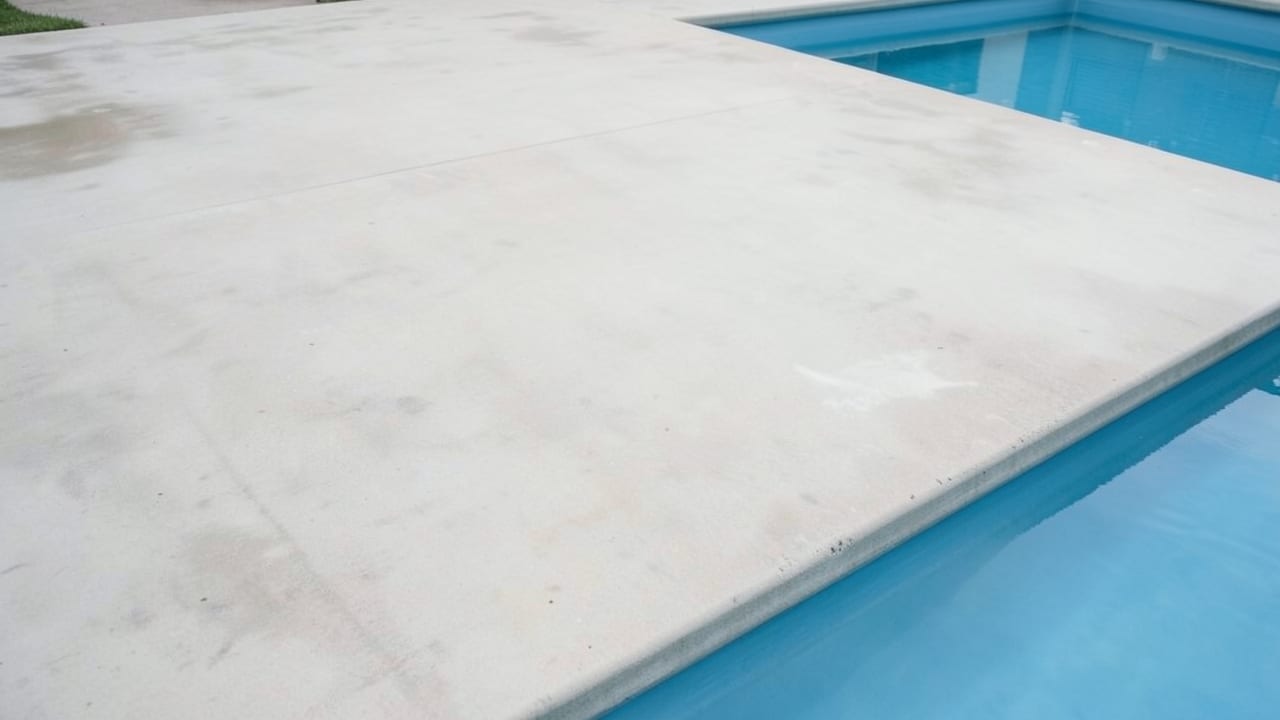
Pool Deck Cleaning in Brandon, FL
Pool deck cleaning in Brandon, FL — chemical-safe cleaning that restores slip resistance and removes algae staining.
Learn More
Rust Removal in Brandon, FL
Professional pressure washing to remove rust stains from driveways, sidewalks, and exterior surfaces.
Learn More
Oil Stain Removal in Brandon, FL
High-pressure cleaning to remove oil stains from driveways, garages, and other surfaces.
Learn More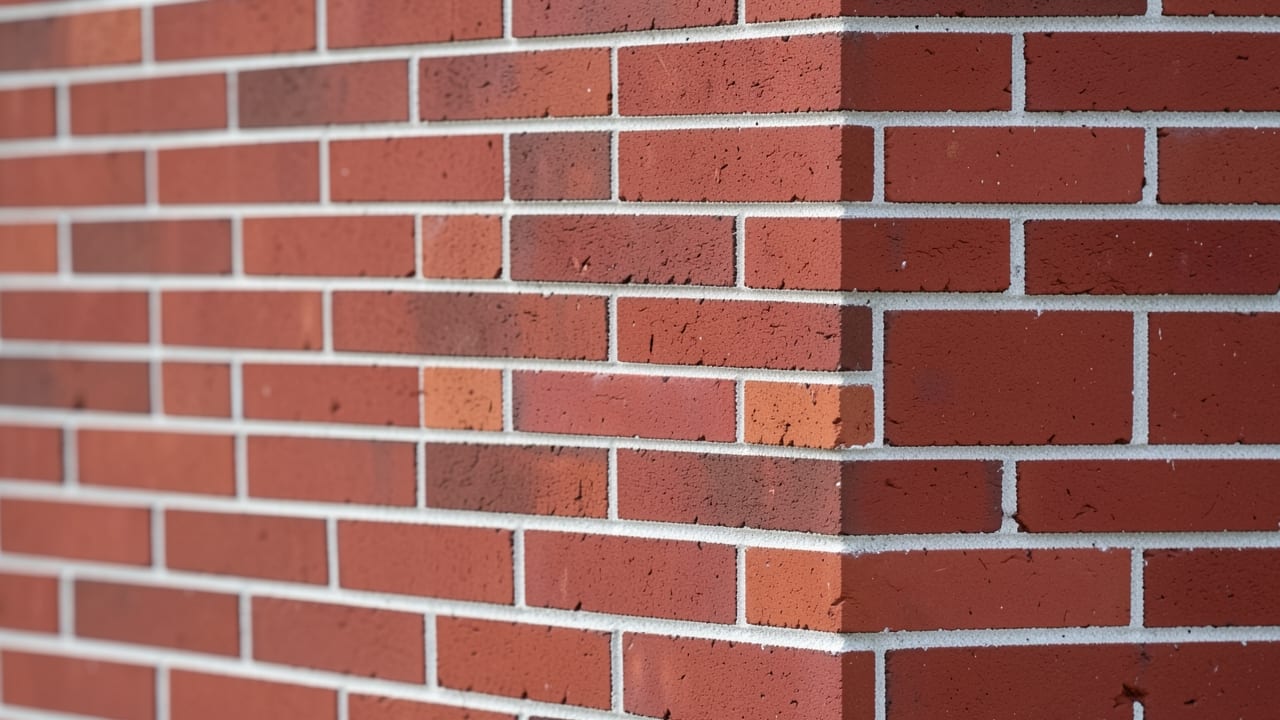
Brick Cleaning in Brandon, FL
Professional pressure washing to remove dirt, grime, and stains from brick surfaces.
Learn More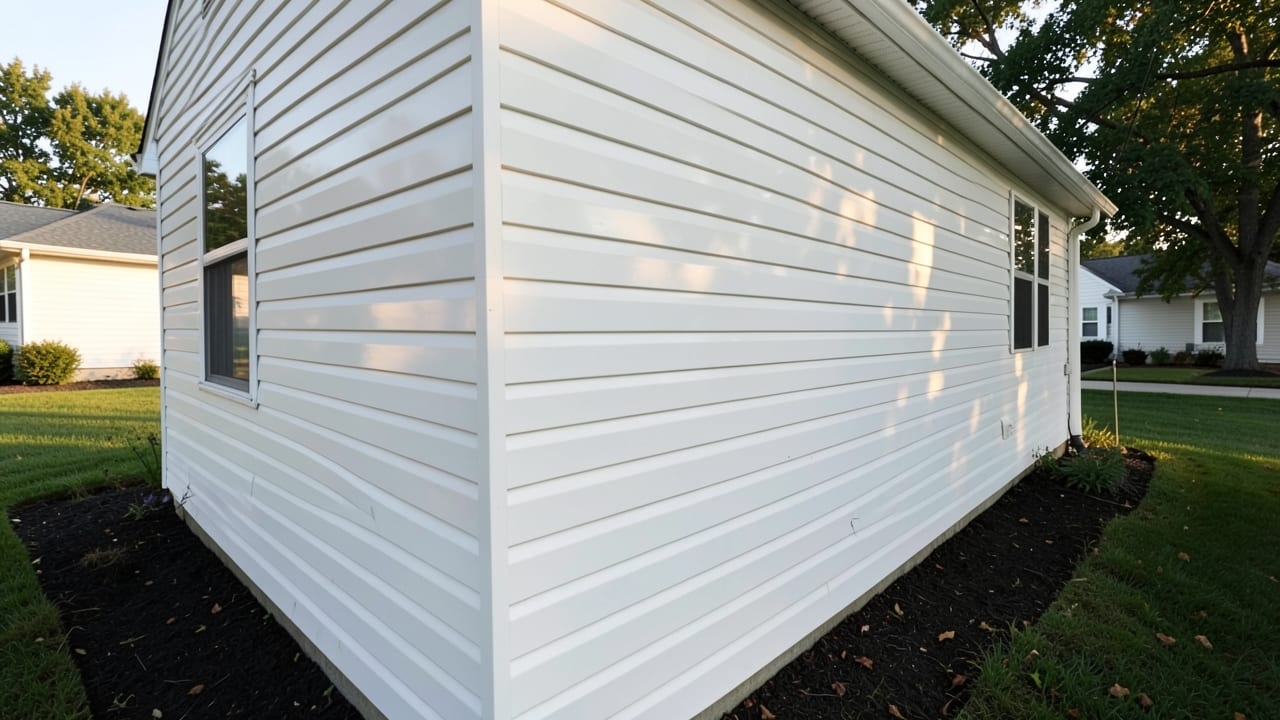
Vinyl Siding Cleaning in Brandon, FL
Professional pressure washing to remove dirt, mold, and grime from vinyl siding.
Learn More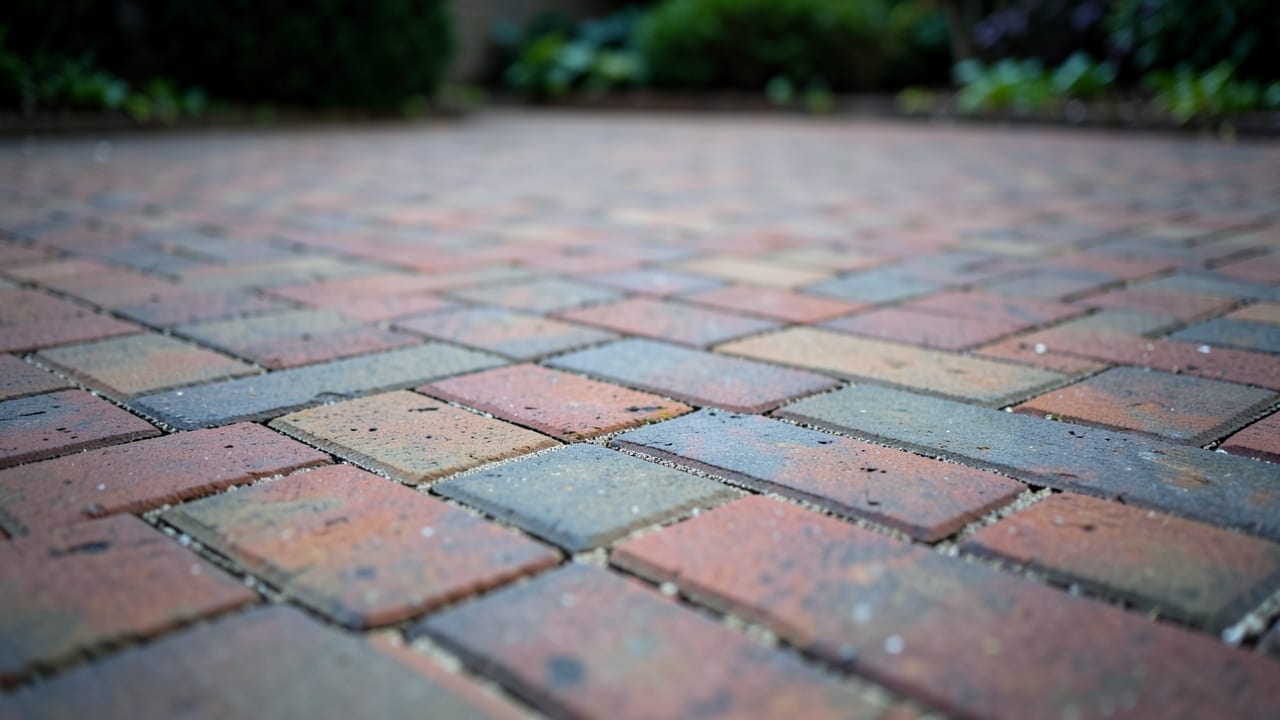
Patio Cleaning in Brandon, FL
High-pressure washing to remove dirt, grime, and stains from patios, restoring their appearance.
Learn MoreCommon Questions About Pressure Washing in Brandon
Everything you need to know about pressure washing services in Brandon
How much does AC Unit Exterior Cleaning typically cost in Brandon, FL?
Why does algae and mildew growth on homes in Brandon, FL come back so quickly?
What's the actual difference between pressure washing and soft washing?
How often should a home's exterior actually be washed?
Are the cleaning chemicals used in soft washing safe for landscaping and pets?
Would home insurance cover damage caused by improper pressure washing?
Need Pressure Washing in Brandon?
Get a written quote from our Brandon crew.
⏰ We answer your call • Serving all of Brandon and surrounding areas