Boat Dock Cleaning
Pressure washing to remove algae, grime, and debris from boat docks and surrounding areas.
Boat dock cleaning in Brandon, FL, restores your dock’s appearance and safety by removing algae, mold, and grime through precise pressure washing. Local experts assess wood condition, use wood-safe detergents, and apply controlled pressure to avoid damage, ensuring a clean, dry surface ready for sealing.
Serving Brandon and surrounding areas like Riverview and Tampa, this service prevents slippery hazards and extends dock lifespan with proper maintenance.
We also handle Chimney Exterior Cleaning and AC Unit Exterior Cleaning for Brandon properties.
When your dock needs cleaning
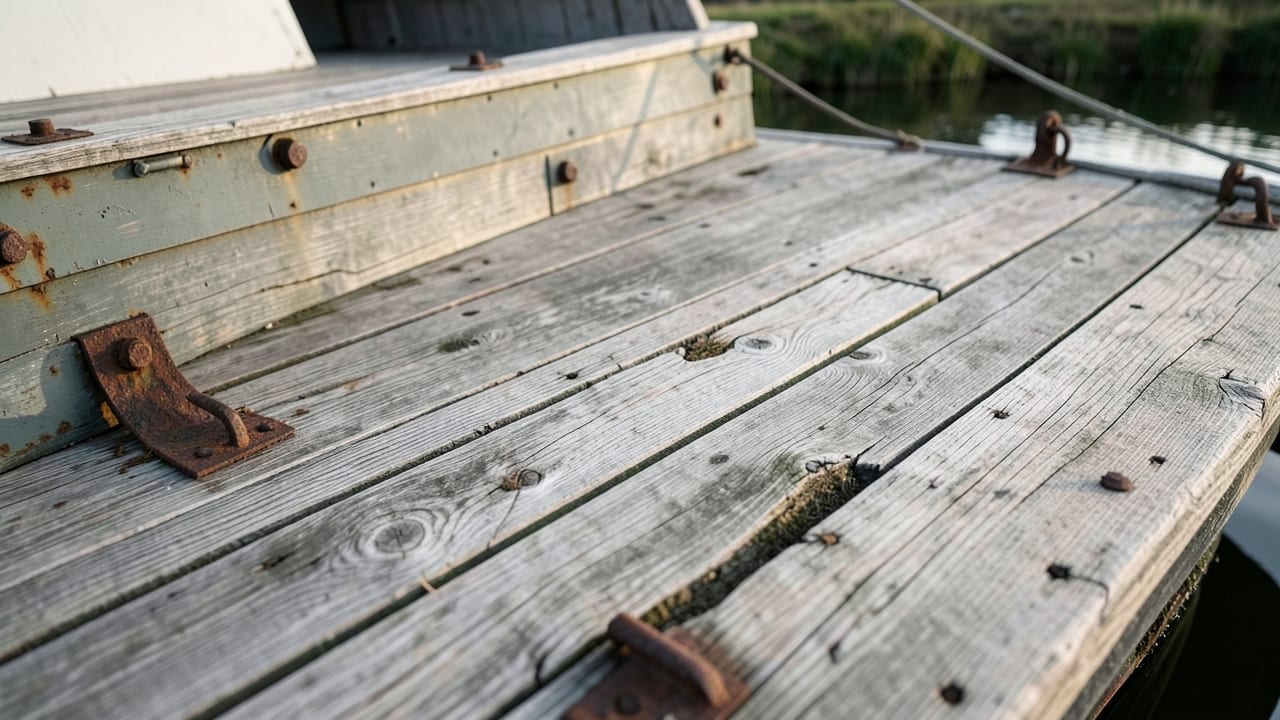
A dock’s condition reveals its maintenance needs before visible damage sets in. Look for an even gray fade across the surface—this signals UV exposure breaking down fibers, while greenish or black films under railings or in shaded corners point to algae or mildew thriving in trapped moisture.
These signs indicate it’s time to clean and reseal before splintering or rot begins.
Boards that feel rougher or absorb water instead of beading it up often mean the protective sealant has worn through. Leaving these issues unaddressed accelerates wear, making cleaning and resealing more urgent. Regular inspections, especially after storms or seasonal changes, help catch these problems early.
Signs Your Dock Needs Cleaning
- Even gray fade replacing the original wood tone or stain (UV and weather exposure breaking down surface fibers).
- Greenish or black film concentrated under railings, in shaded corners, or anywhere airflow is restricted (algae/mildew growth).
- Boards feeling rougher, splintering more easily, or absorbing water instead of beading (surface fibers lifting or sealant worn through).
- Water soaking straight into the wood instead of rolling off (sealant degradation).
- Leaves or debris left to sit for months, breaking down into the grain and feeding algae growth.
What affects pricing and timing
Pricing for boat dock cleaning depends on dock size, material (wood, composite, or concrete), and the extent of buildup. Wood docks require careful handling to avoid gouging, while concrete or composite surfaces may need different pressure settings.
The presence of algae, mildew, or deep-seated grime also impacts time and method—some docks need a low-pressure detergent wash followed by hand detailing for tight spots.
Seasonal factors play a role too. Fall cleaning helps prevent winter buildup, while spring or summer jobs may require scheduling around boat traffic or weather. A thorough inspection before quoting ensures the right method—pressure wash, soft wash, or a combination—is used to protect your dock without causing damage.
Avoiding common mistakes
Pressure washing a dock incorrectly can cause more harm than good. Using too-high PSI or holding the wand too close tears open wood fibers, leaving a fuzzy, splintery texture. Spraying directly into board gaps drives water into joints, where it dries slowly and promotes rot.
Always follow the grain during washing and rinsing to lift dirt without forcing moisture into the wood.
Sealing too soon is another pitfall. Wet wood traps moisture under the new coating, leading to bubbles, peeling, or discoloration within months. Allowing 48 hours of dry time—longer in humid Brandon summers—ensures the sealant adheres properly and lasts.
Rotate furniture, planters, and rugs off the dock to prevent localized moisture buildup that speeds up mildew.
Avoid quotes that don’t specify PSI or method per surface (wood vs. concrete), lump all surfaces into one price without a written scope, or demand full payment upfront. Undisclosed chemicals or unusually low prices may indicate rushed work or hidden risks.
How boat dock cleaning works
A thorough dock cleaning balances precision and care to restore your surface without damage.
- 1Inspect Wood Condition
The technician checks the wood type and condition—soft, weathered boards need gentler pressure than recently sealed ones. This step prevents gouging and ensures the right detergent is used for mildew or algae.
- 2Apply Low-Pressure Detergent
A wood-safe cleaning solution is sprayed at low pressure to lift algae, mold, and gray weathering. Working *with* the grain (never across it) prevents driving water into fibers, which worsens splintering.
- 3Hand-Detail Tight Spots
Railings, stair treads, and narrow gaps are finished by hand or with a stiff brush. Forcing a pressure wand into tight spaces risks gouging grooves into the wood.
- 4Controlled Rinse and Dry
The rinse follows the grain at low pressure to remove detergent without forcing water into joints. The dock is left to dry fully (2+ days in Brandon’s humidity) before sealing.
- 5Post-Cleaning Care
Rotate items off the dock to prevent moisture buildup, and reseal before the protective window (1–3 years) expires. Regular sweeping removes debris that feeds algae growth.
Frequently asked questions
How do I know if my dock’s wood is too soft for pressure washing?
Press your thumbnail into the wood—if it dents easily or fibers lift, the wood is too soft for high PSI. A technician will adjust pressure or use a soft-wash method to avoid gouging. Pre-existing rot or splintering also signals the need for extra caution.
Can I pressure wash my dock myself, or should I hire a pro?
DIY pressure washing risks damaging wood, driving water into joints, or missing hidden mildew. Professionals assess wood condition, use the right PSI and detergents, and know when hand-detailing is needed. Mistakes can shorten your dock’s lifespan or void warranties on sealants.
Why does my dock look clean after washing but still feel slippery?
Slippery surfaces often mean residual algae roots or mildew beneath the top layer. A second detergent application or a wood brightener may be needed. Sealing over unclean wood traps moisture, so thorough drying and a follow-up treatment ensure long-term grip.
How often should I clean and reseal my dock in Brandon’s climate?
Brandon’s humidity and sun accelerate wear, so clean and reseal every 1–2 years for wood docks. Check for graying or mildew annually—resealing before the protective layer wears out (not after the wood looks worn) prevents rot and splintering.
Where Brandon sits, and what the Census lists nearby
Brandon sits in Florida, and the closest places listed in the U.S. Census Gazetteer are Mango (3.9 miles north), Valrico (4.3 miles east), Bloomingdale (4.7 miles southeast), Seffner (4.8 miles north). Within 25 miles of Brandon the same source lists 54 distinct incorporated places and census-designated places.
Those figures matter for boat dock cleaning because they are straight-line distances between Census coordinate points: road mileage between Brandon and Mango runs longer than the 3.9 miles shown, which is why quotes for the same job differ between towns that look close together on a map.
Source: U.S. Census Bureau Gazetteer.
See Carrollwood, FL for more, or discover our full Brandon-area coverage step by step for our complete lineup.
Ready to get started?
Talk to a local pressure washing pro in Brandon — get a written quote.
Other Pressure Washing Services in Brandon
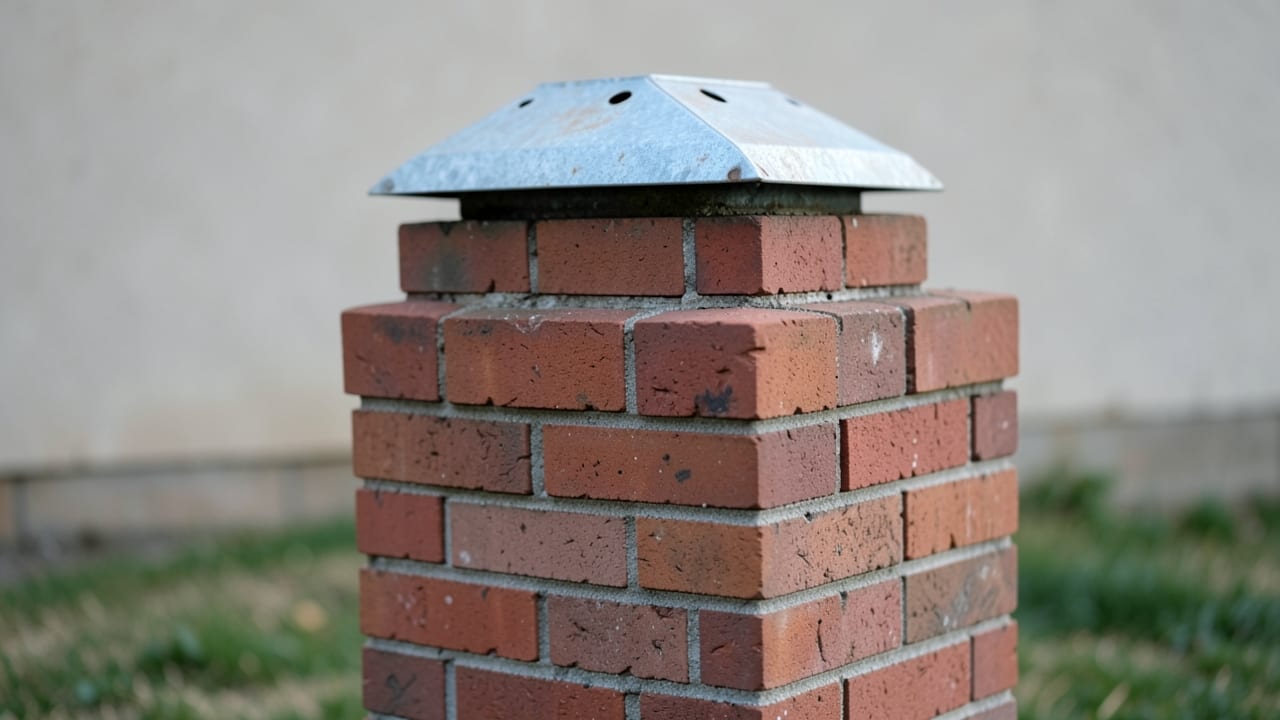
Chimney Exterior Cleaning in Brandon, FL
Pressure washing to remove soot, dirt, and stains from chimney exteriors.
Learn More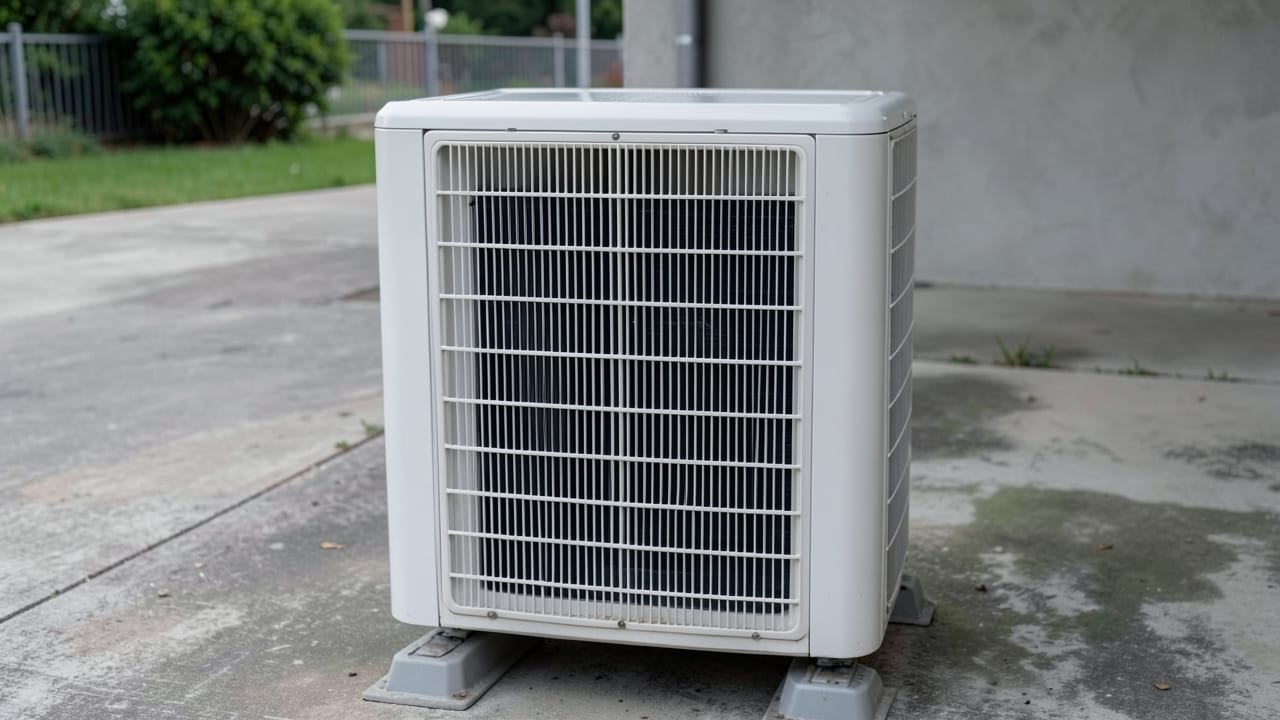
AC Unit Exterior Cleaning in Brandon, FL
Pressure washing to remove dirt, debris, and grime from outdoor AC unit coils and housing.
Learn More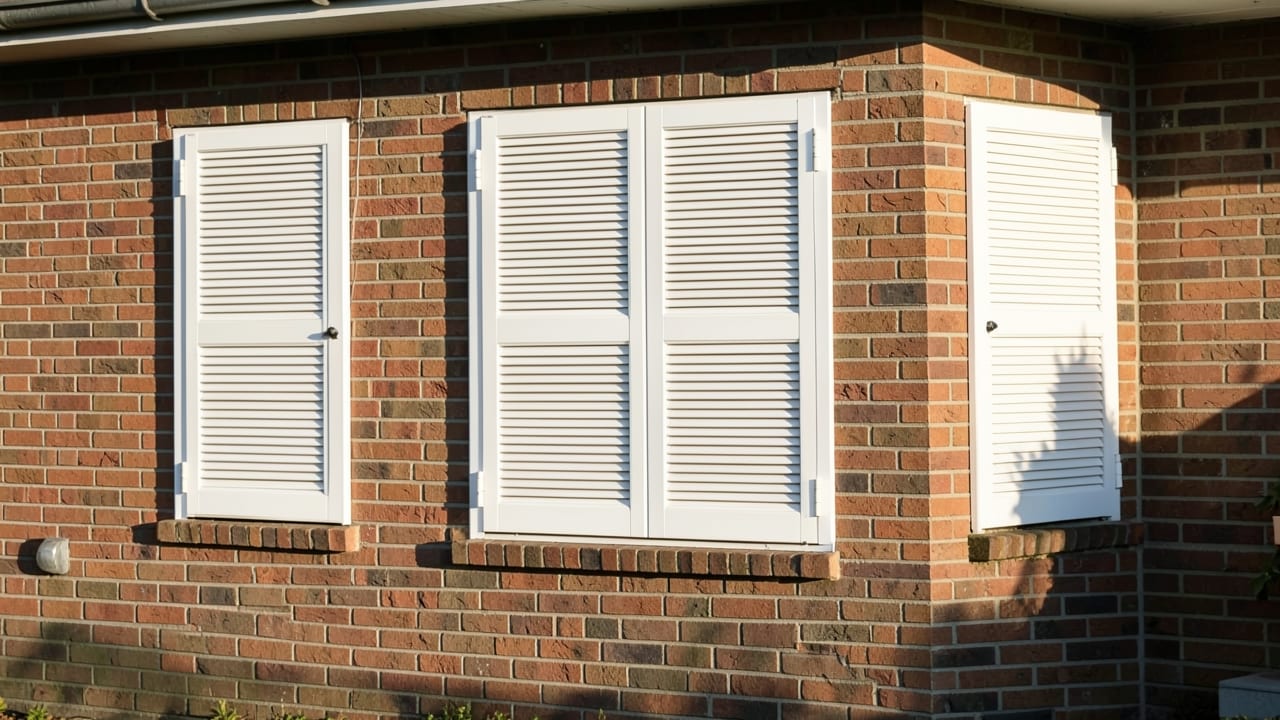
Shutter Cleaning in Brandon, FL
Professional pressure washing to remove dirt, grime, and debris from exterior shutters.
Learn More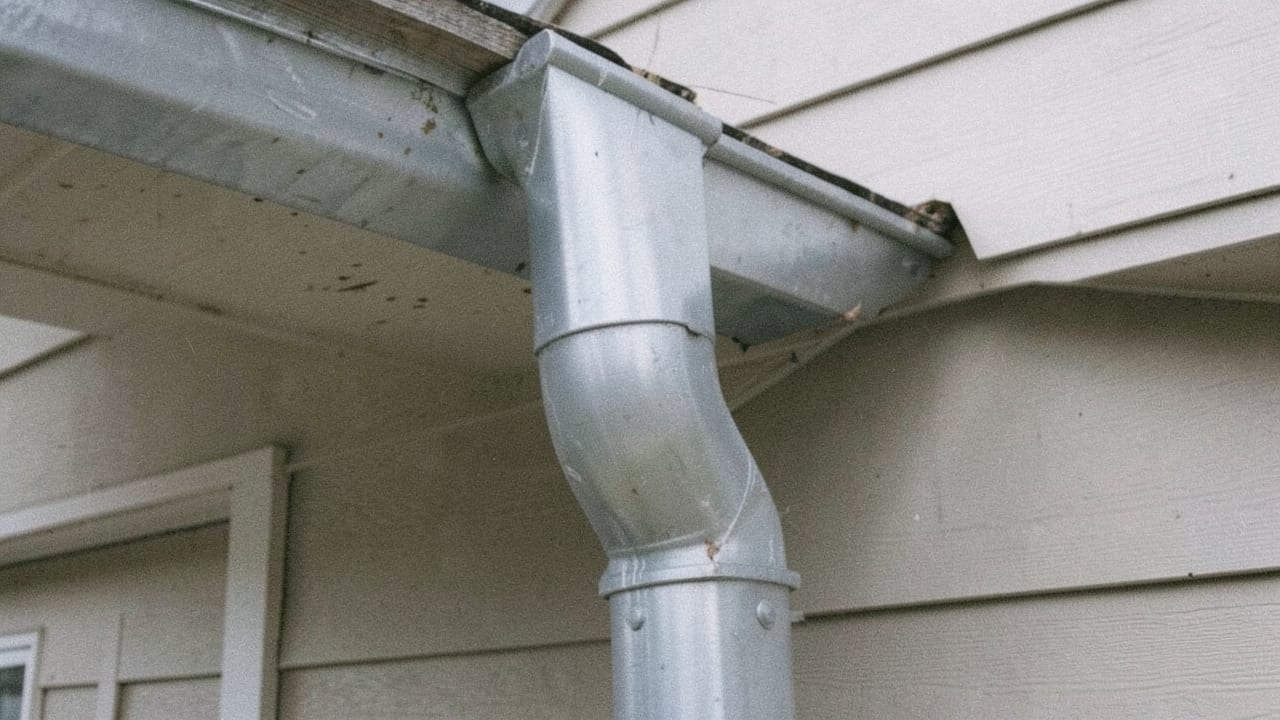
Downspout Cleaning in Brandon, FL
Clearing clogged downspouts to ensure proper drainage and prevent water damage.
Learn More
Apartment Complex Washing in Brandon, FL
High-pressure cleaning of apartment building exteriors, walkways, and common areas to remove dirt and grime.
Learn More
Condo Association Washing in Brandon, FL
High-pressure cleaning of condo association exteriors, walkways, and common areas to remove dirt and grime.
Learn MoreCommon Questions About Pressure Washing in Brandon
Everything you need to know about pressure washing services in Brandon
How much does Boat Dock Cleaning typically cost in Brandon, FL?
Why does algae and mildew growth on homes in Brandon, FL come back so quickly?
Would home insurance cover damage caused by improper pressure washing?
Can pressure washing strip paint or an existing sealant off a surface?
Is renting a pressure washer and doing the job at home a reasonable option?
How long does washing a typical house exterior take?
Need Pressure Washing in Brandon?
Get a written quote from our Brandon crew.
⏰ We answer your call • Serving all of Brandon and surrounding areas