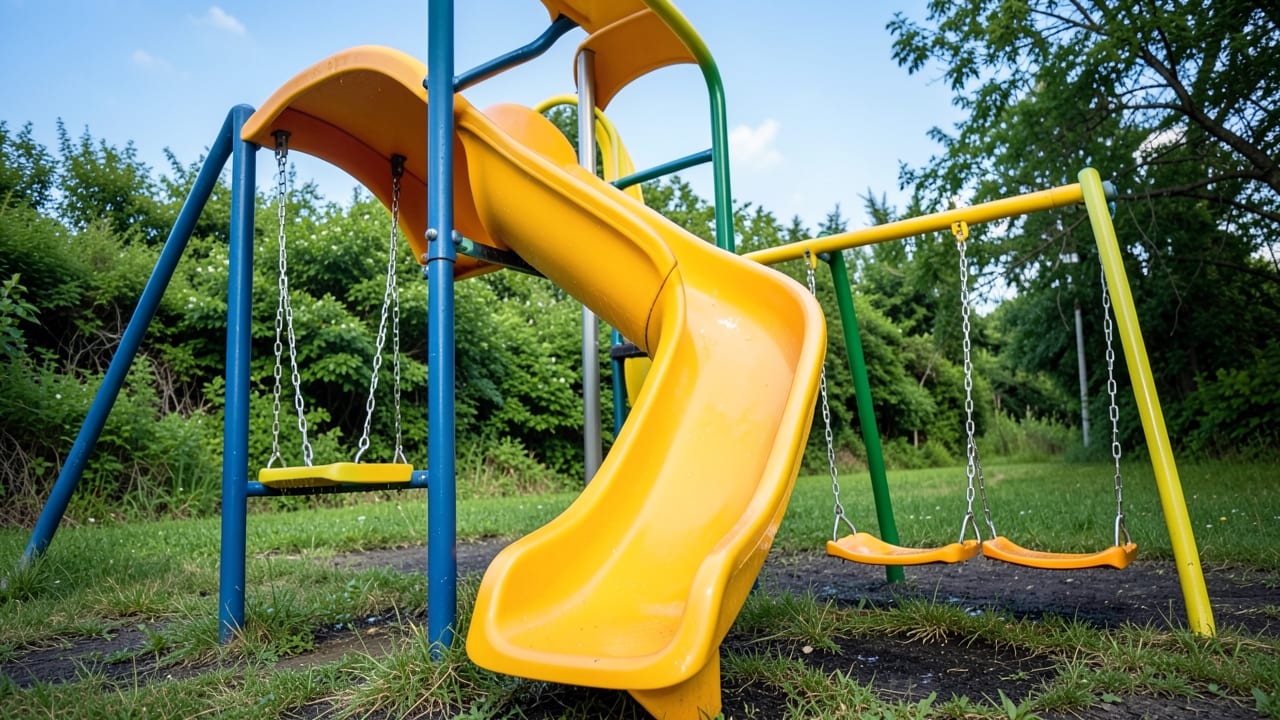
Playground Equipment Cleaning
Pressure washing to remove dirt, grime, and mold from playground equipment for safety and hygiene.
Playground equipment cleaning in Brandon, FL, uses high-pressure water to remove dirt, algae, and contaminants from slides, swings, and climbing structures, restoring them to a safe and hygienic condition.
This process targets hard-to-reach areas where grime accumulates, ensuring a thorough clean without harsh chemicals that could harm children or the environment. Local service providers prioritize safety and surface protection to preserve nearby landscaping and fixtures during the cleaning process.
We also handle Deck & Fence Cleaning and Gutter Cleaning for Brandon properties.
Why playground equipment needs regular cleaning
Playgrounds are used daily by children, making them breeding grounds for bacteria, algae, and mold if not cleaned regularly. Green or black streaks on equipment, especially in shaded or damp areas, are classic signs of algae or mildew growth.
These contaminants can spread quickly once established, posing health risks to kids who play there.
A simple way to check if your playground needs cleaning is to run your hand across the surfaces. If you feel a fine chalky residue or see cobwebs and insect debris collecting in corners, under eaves, or around fixtures, it’s time for a deep clean.
Ignoring these signs can lead to long-term damage to the equipment and create an unsafe environment for play.
Signs Your Playground Equipment Needs Cleaning
- Green or black streaks on slides, swings, or climbing structures (algae or mildew).
- Chalky residue felt when running a hand across surfaces (oxidation or accumulated grime).
- Cobwebs, dirt, or insect debris in corners, under eaves, or around light fixtures.
- Visible mold or slime buildup in shaded or damp areas of the playground.
How cleaning protects your playground and property
Before any pressure washing begins, landscaping near the playground is wetted down and covered, and nearby outlets or fixtures are bagged to prevent damage from overspray or runoff.
This step is critical because cleaning solution runoff is one of the most common complaints in siding and outdoor cleaning jobs, even when the actual wash is done carefully.
The cleaning process itself uses a detergent pre-treatment formulated specifically for the materials involved. This solution breaks down algae and mildew chemically, reducing the need for high-pressure blasting, which can damage surfaces or force water behind seams, leading to hidden mold or rot over time.
Directing a pressure washer wand into seams or up under laps on playground structures can force water behind panels, trapping moisture and causing mold or rot. Always use low-pressure, wide-fan tips and follow a top-to-bottom, overlapping pattern to clean safely.
What affects playground cleaning pricing and timing
Pricing for playground equipment cleaning in Brandon is typically determined project by project, as each setup has unique factors like size, material, and accessibility. While exact costs vary, the total square footage of surfaces to be cleaned—including slides, swings, and climbing structures—is a primary factor.
Additional costs may apply if the playground is located near delicate landscaping or requires extra containment measures.
Timing can also impact pricing, especially if the cleaning must be scheduled around family routines or weather conditions. For example, cleaning on a weekend or during school hours may incur a premium, while off-peak times could offer better rates.
Always request a detailed quote that specifies the method (pressure wash vs. soft wash) and any additional services included.
How playground equipment cleaning works
A thorough cleaning restores playground equipment to a safe, hygienic condition for children.
- 1Surface and Plant Protection
Nearby landscaping is wetted down and covered, and outlets or fixtures are bagged to prevent damage from overspray or runoff.
- 2Detergent Pre-Treatment
A cleaning solution is applied at low pressure to break down algae, mildew, and grime chemically, ensuring even coverage.
- 3Low-Pressure Rinse
The equipment is rinsed using a wide-fan tip at 500 psi or less, working top to bottom in overlapping passes for consistent cleaning.
- 4Spot Treatment for Stubborn Stains
Areas with heavy algae or mildew receive a second, more concentrated pass rather than increasing pressure, which can damage surfaces.
- 5Final Rinse and Inspection
A clear-water rinse removes all detergent residue, and the equipment is inspected in daylight for missed spots or damage.
Frequently asked questions
How often should playground equipment be cleaned?
Playground equipment should be cleaned at least twice a year, or more frequently if it’s used daily or located in a damp, shaded area. Regular inspections for algae, mildew, or debris buildup can help determine if more frequent cleaning is needed.
Is pressure washing safe for all types of playground materials?
Pressure washing is generally safe when done correctly, but the pressure and method must be adjusted for the material. Wood, plastic, and metal all require different techniques to avoid damage. Always ask your service provider to specify the PSI and method used for your equipment.
Will cleaning my playground equipment damage nearby plants or landscaping?
Professional services take precautions to protect landscaping by covering plants and containing runoff. However, some detergents can still affect nearby vegetation, so it’s best to ask about the chemicals used and their potential impact before scheduling a cleaning.
What should I do if I notice mold or mildew on my playground after cleaning?
If mold or mildew reappears quickly, it may indicate an underlying issue like poor drainage or excessive shade. Addressing these factors—such as trimming nearby vegetation or adjusting sprinklers—can help prevent future buildup. For persistent problems, consult a professional for targeted treatment.
Where Brandon sits, and what the Census lists nearby
Brandon sits in Florida, and the closest places listed in the U.S. Census Gazetteer are Mango (3.9 miles north), Valrico (4.3 miles east), Bloomingdale (4.7 miles southeast), Seffner (4.8 miles north). Within 25 miles of Brandon the same source lists 54 distinct incorporated places and census-designated places.
Those figures matter for playground equipment cleaning because they are straight-line distances between Census coordinate points: road mileage between Brandon and Mango runs longer than the 3.9 miles shown, which is why quotes for the same job differ between towns that look close together on a map.
Source: U.S. Census Bureau Gazetteer.
See Valrico, FL for more, or check out how our Brandon crew can help in full for our complete lineup.
Ready to get started?
Talk to a local pressure washing pro in Brandon — get a written quote.
Other Pressure Washing Services in Brandon
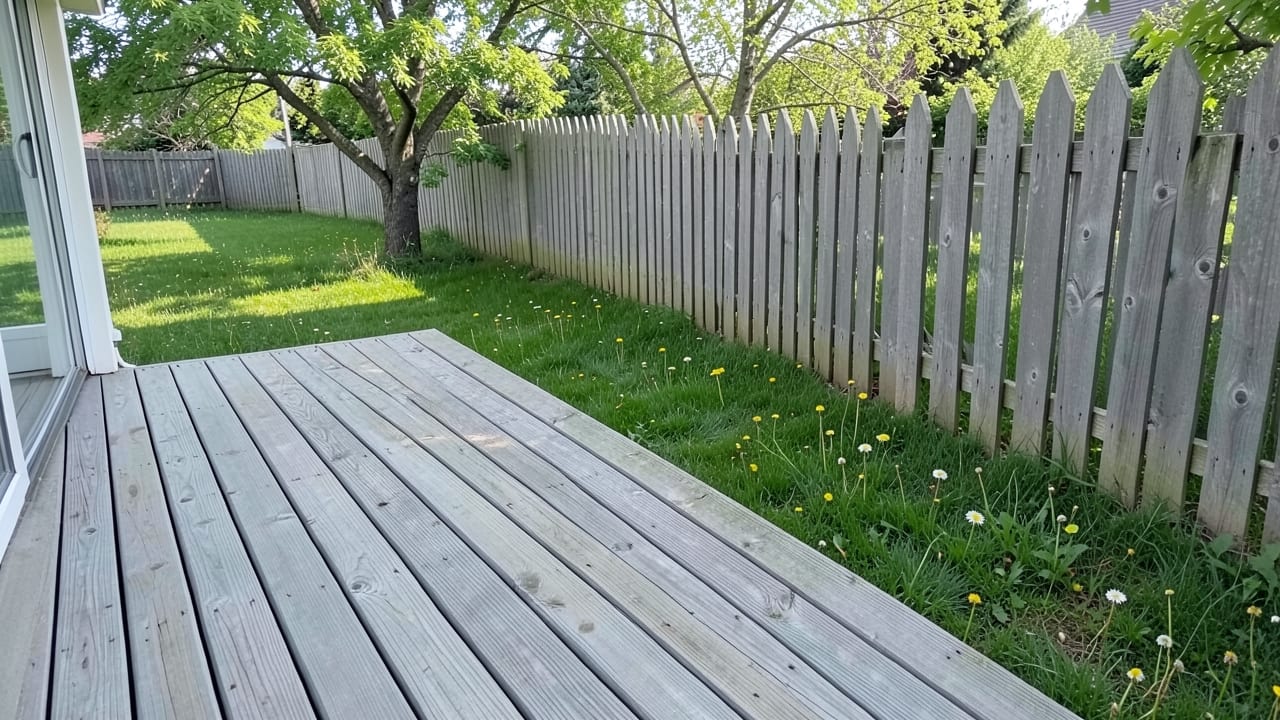
Deck & Fence Cleaning in Brandon, FL
Wood and composite deck and fence cleaning in Brandon, FL — restores surfaces before staining or sealing.
Learn More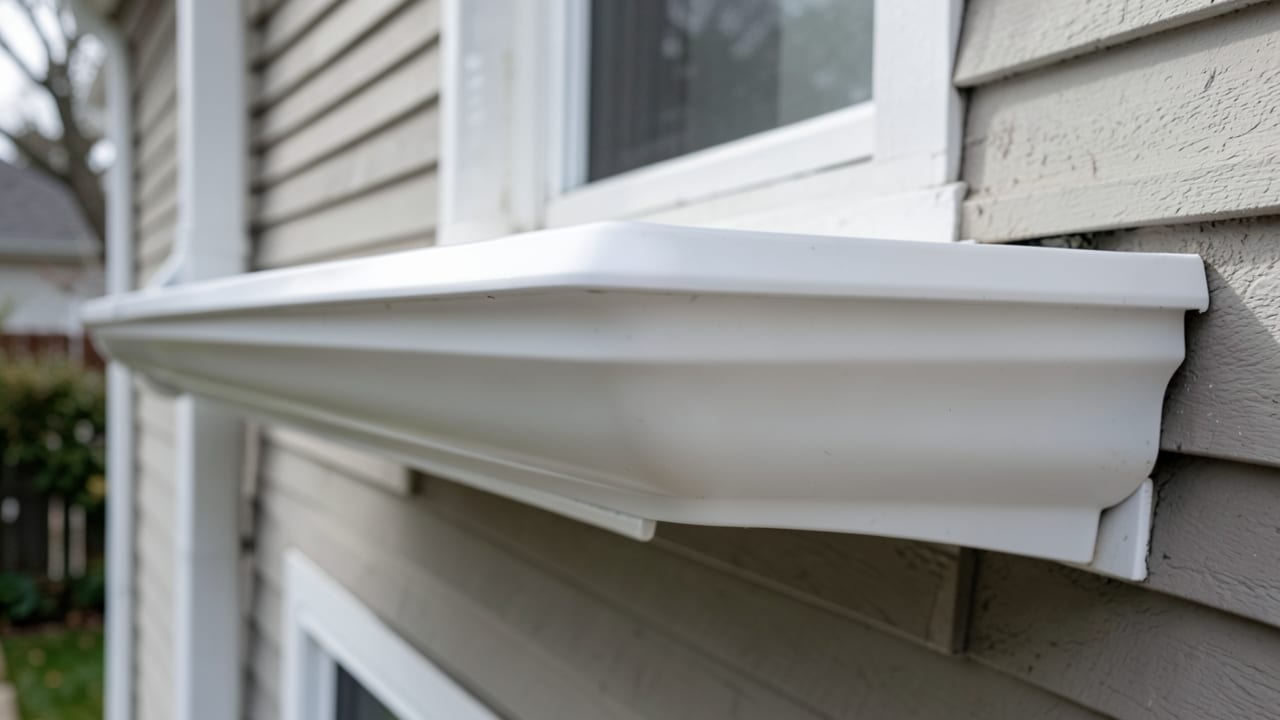
Gutter Cleaning in Brandon, FL
Gutter and downspout cleaning in Brandon, FL to clear leaf buildup and keep water flowing away from the foundation.
Learn More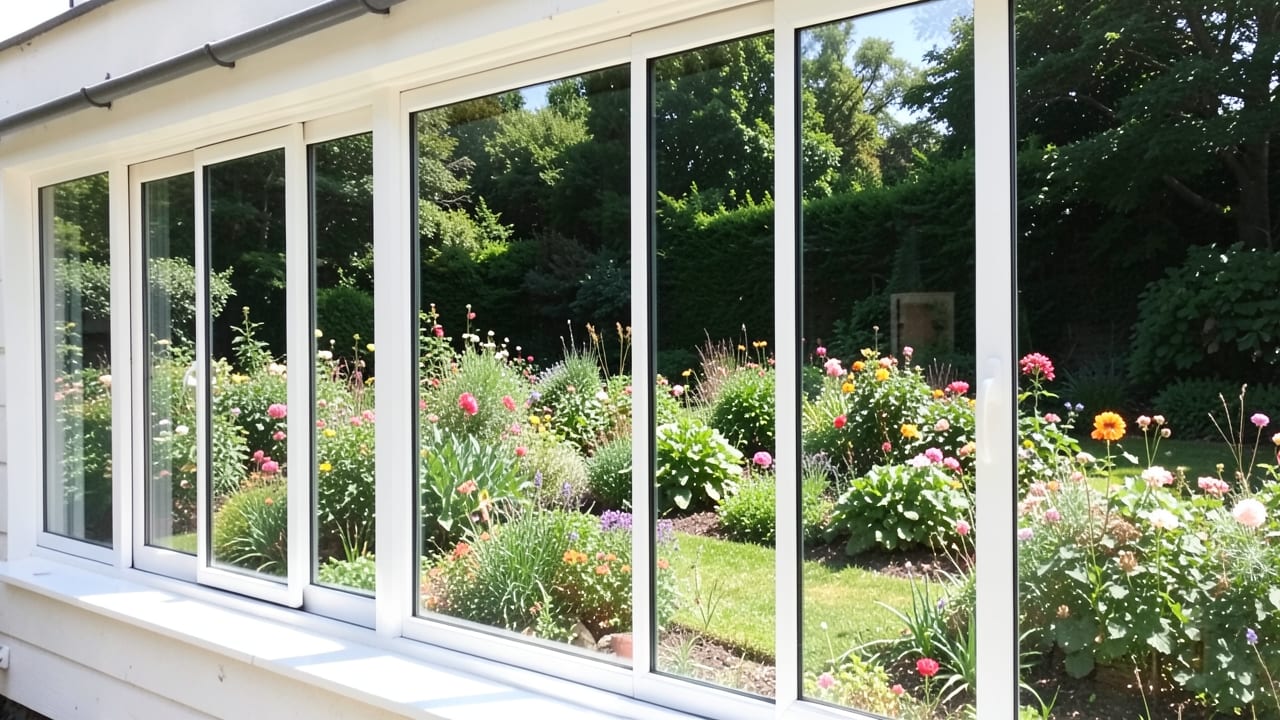
Window Cleaning in Brandon, FL
Exterior window and window-frame cleaning in Brandon, FL, often bundled with a full house wash.
Learn More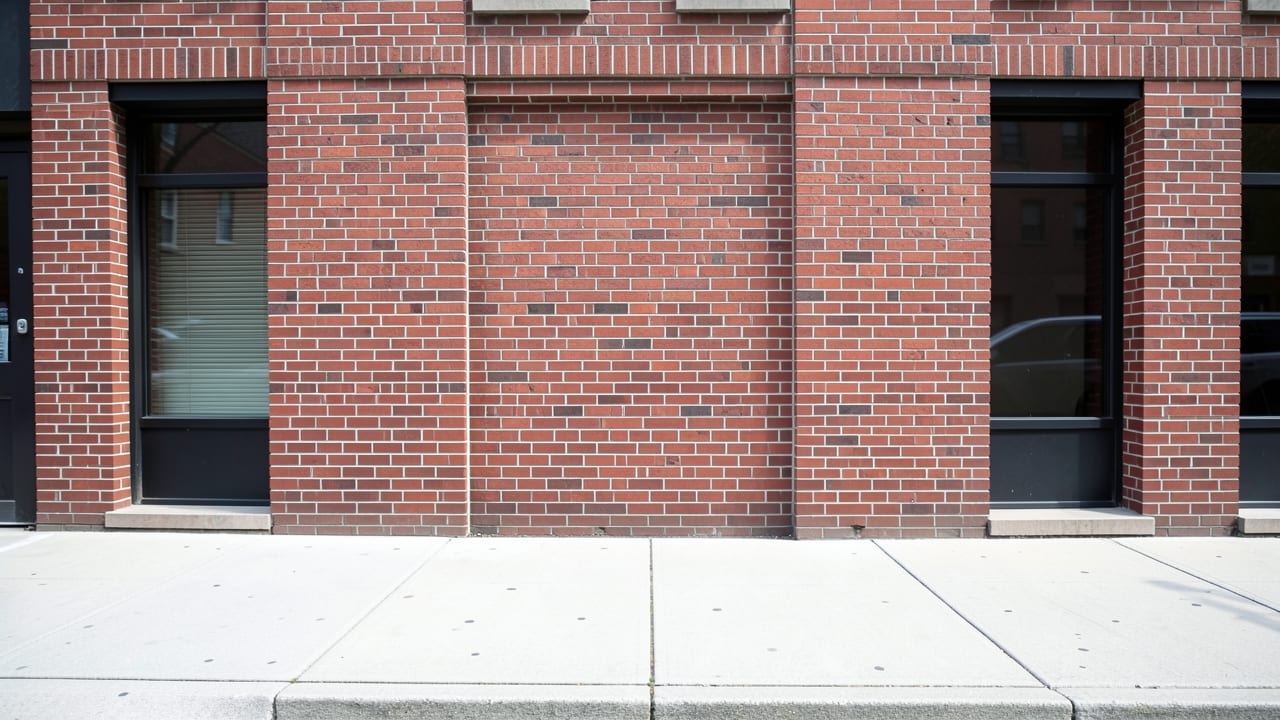
Commercial Pressure Washing in Brandon, FL
Pressure washing for storefronts, parking lots, and commercial properties in Brandon, FL.
Learn More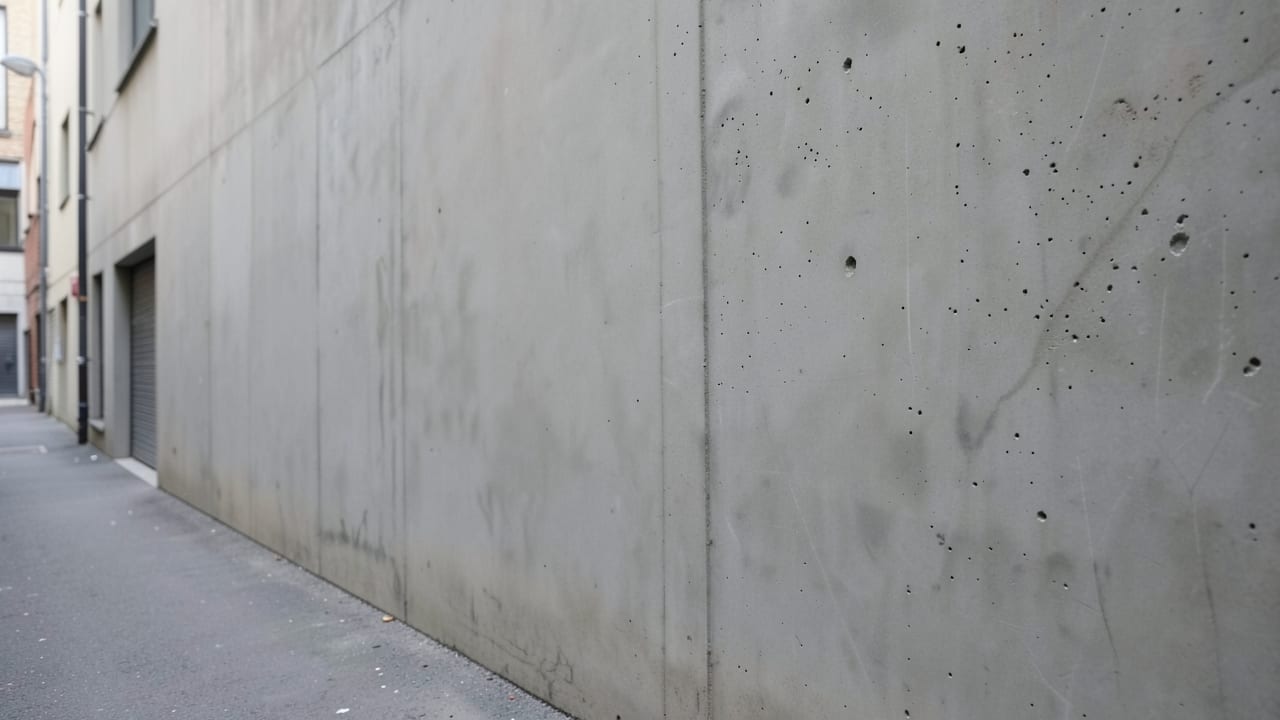
Graffiti Removal in Brandon, FL
Graffiti removal from exterior walls and surfaces in Brandon, FL.
Learn More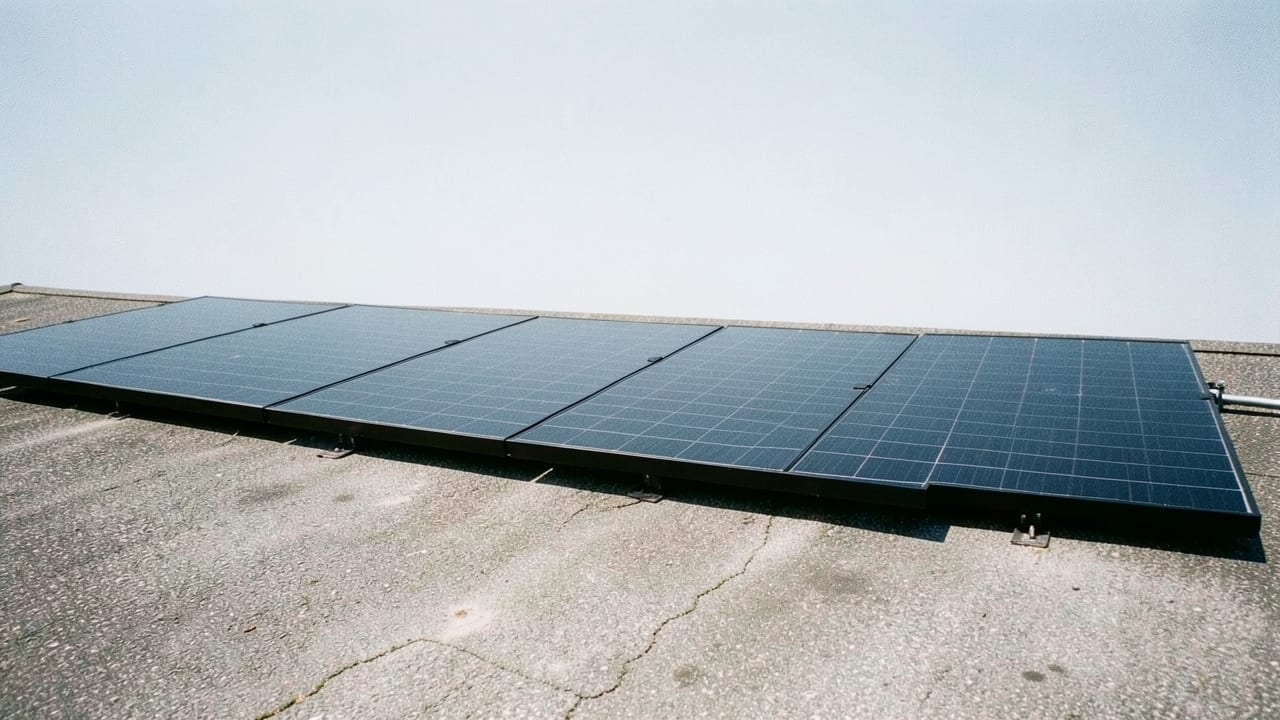
Solar Panel Cleaning in Brandon, FL
Solar panel cleaning in Brandon, FL — low-pressure, purified-water rinse that restores panel output without scratching the glass.
Learn MoreCommon Questions About Pressure Washing in Brandon
Everything you need to know about pressure washing services in Brandon
How much does Playground Equipment Cleaning typically cost in Brandon, FL?
Why does algae and mildew growth on homes in Brandon, FL come back so quickly?
Is renting a pressure washer and doing the job at home a reasonable option?
How long does washing a typical house exterior take?
Can pressure washing damage concrete, pavers, or mortar joints?
What are the actual named steps in a professional pressure washing job?
Need Pressure Washing in Brandon?
Get a written quote from our Brandon crew.
⏰ We answer your call • Serving all of Brandon and surrounding areas